
Conflicts of Interest and the Public’s Trust
The appearance of conflicts of interest can undermine residents’ confidence in local government. Rick Woodworth explains why transparency, disclosure and accountability are essential to ensuring that decisions affecting Marco Island are made impartially and in the community’s best interests.
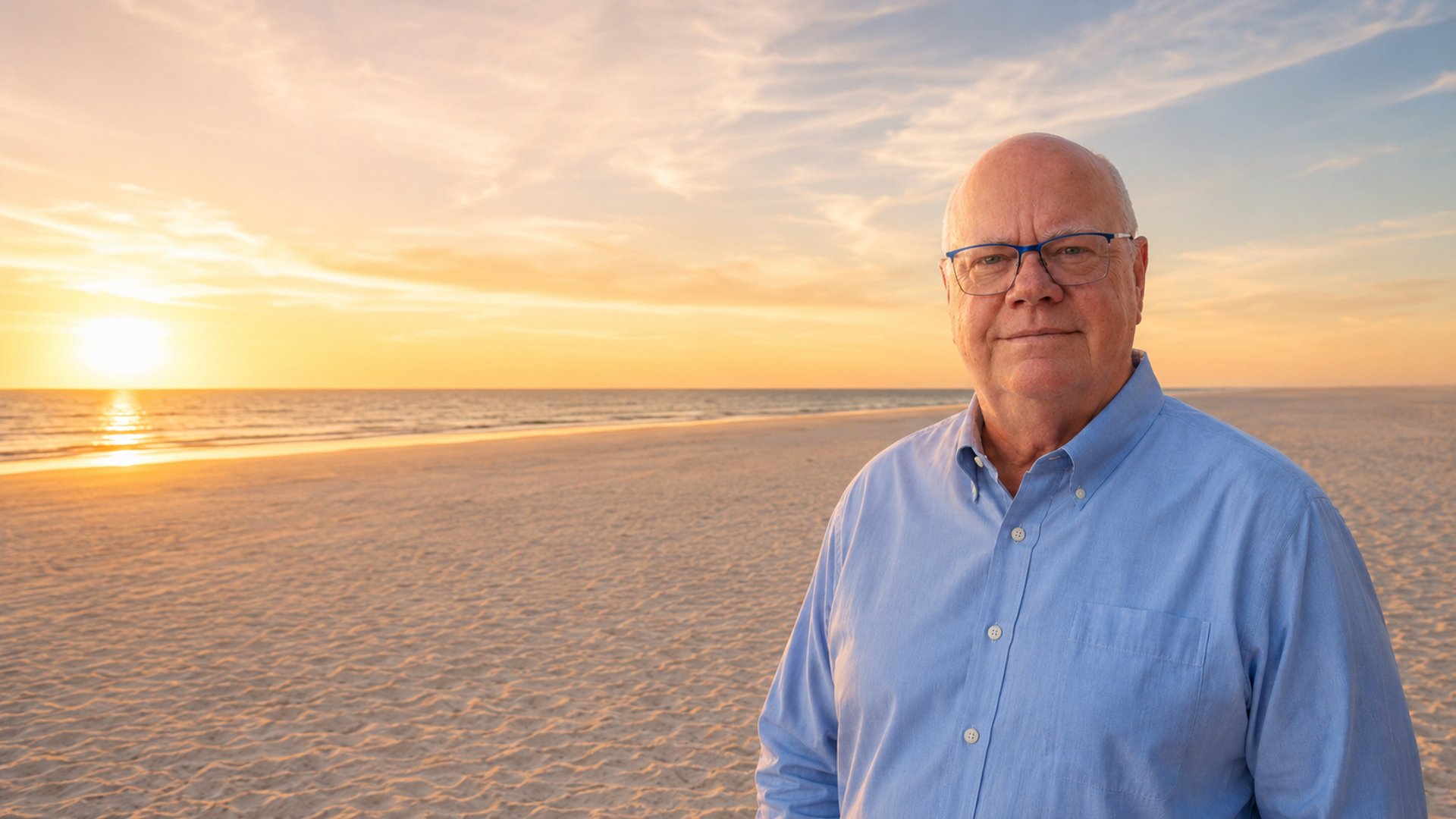
Rick Woodworth
9/15/20264 min read


Marco Island is facing decisions that will shape our community for decades. Proposals involving development, density, tourism, commercial activity and our waterways affect far more than an individual property. They affect our roads, infrastructure, neighborhoods, environment, property values and overall quality of life.
The residents of Marco Island deserve to know that the people making these decisions are putting the community first. That is why conflicts of interest—and even the reasonable appearance of a conflict—must be taken seriously.
Not every professional or financial connection is illegal. People should not be accused of wrongdoing simply because they work in real estate, construction, hospitality or another industry affected by city decisions. At the same time, residents should not have to wonder whether an official’s private interests, business relationships or source of income could be influencing a public decision.
Trust requires more than technical compliance with the law. It requires openness, good judgment and a willingness to step aside when necessary.
What Florida Law Requires
Florida law prohibits a local public officer from voting on a measure that would result in a “special private gain or loss” for the officer, certain relatives, a business associate or a principal by whom the officer is retained. When that type of conflict exists, the official must abstain from voting, publicly disclose the conflict and generally file a written Form 8B within 15 days. These rules apply to elected officials and appointed public officers, including members of local boards. - Section 112.3143, Florida Statutes
The word “special” is important. The benefit or loss must generally be more specific than one shared broadly by the public. A council member who owns a home, for example, is not automatically conflicted when voting on a policy that affects homeowners throughout Marco Island. An official is also not conflicted simply because he or she has a strong opinion about an issue.
Likewise, working in real estate, construction, hospitality or another local industry does not automatically create a legal conflict on every related decision. The Florida Commission on Ethics has made clear that these situations must be evaluated based on their specific facts. The most important questions are whether the official, the official’s business, employer, client, relative or business associate would receive a special benefit from the decision. - Florida Commission on Ethics Opinion CEO 11-06
When the Legal Standard Is Not Enough
Florida law establishes a minimum standard. Public trust requires us to consider something more: whether a reasonable resident could question an official’s ability to evaluate a matter impartially.
I think of this as the “two-hat problem.” In one role, an official is a public servant who must consider the interests of the entire community. In another role, that person may earn a living in an industry affected by the decisions being made.
Having those two roles does not prove that anyone has acted improperly. It does create a responsibility to be transparent.
If an official’s employer, client, business associate or personal investment could be affected by a decision, that relationship should be disclosed clearly and before the decision is made. If the law requires recusal, the official must step aside. If the answer is uncertain, the official should seek guidance from the City Attorney or the Florida Commission on Ethics.
Residents should not be expected to discover these relationships after a vote. Nor should they be told that their concerns are irrelevant simply because a relationship may not meet the narrow legal definition of a voting conflict.
An action can be legally permissible and still damage public confidence. Good government must protect against both.
Why This Is Critical for Marco Island
Conflict-of-interest protections matter everywhere, but they are especially important on Marco Island. We are a small, environmentally sensitive community with limited land and infrastructure. Decisions involving density, building height, commercial intensity, parking, tourism and vessel activity can permanently change the island.
Once a large project is approved and built, the decision is not easily undone.
That is why residents must be confident that every application receives an independent and impartial review. Decisions should be based on the Comprehensive Plan, the Land Development Code, the Strategic Plan, credible evidence and the long-term interests of the community, not on personal, professional or political relationships.
The Standard Marco Island Should Expect
I do not believe the answer is to exclude everyone with professional experience from public service. Knowledge of real estate, construction, finance, planning and business can be valuable.
The answer is disclosure, balance and accountability.
Marco Island should expect the following from every elected and appointed official:
Disclose relevant business, employment, client, property and financial interests before participating in a matter.
Make those disclosures during the public meeting, in plain language, so residents understand the relationship.
Seek professional ethics guidance whenever the application of the law is uncertain.
Recuse when the law requires it and consider stepping aside when a significant private interest could reasonably undermine public confidence.
Maintain balanced boards that include a range of professions, experiences and perspectives.
Make conflict disclosures and recusals easy for residents to find in the public record.
These standards should apply equally to everyone. No one should be presumed unethical because of an occupation. No one should be allowed to hide behind a narrow legal definition when a relevant private interest deserves public disclosure.
My Commitment to Marco Island Residents
I am running for City Council because I believe residents and the local businesses that serve them must come first.
I do not earn my living from real estate transactions on Marco Island. I do not have construction contracts dependent on city permits or variances. I do not own a tourism or hospitality business whose revenue could rise or fall based on a Council decision.
My wife and I are full-time residents. We own our home here. We care about the same things our neighbors care about: clean water, responsible spending, reliable infrastructure, peaceful neighborhoods and protecting the character and quality of life that make Marco Island our home.
If elected, I will disclose any circumstance that could reasonably cause residents to question my impartiality. If a legal conflict exists, I will recuse myself and comply fully with Florida law. If the answer is uncertain, I will seek an ethics opinion rather than assume that silence is acceptable.
Public trust cannot be demanded. It must be earned.
Every major vote should leave residents confident that the decision was lawful, transparent and based on the merits. On an island where a single development approval can permanently affect our roads, waterways, neighborhoods and future, nothing less is acceptable.
Marco Island belongs to all of us. The people entrusted with its future must never forget whom they serve.
- Rick Woodworth
Candidate for Marco Island City Council, November 2026
Learn more about Rick
Contact Rick
Phone
239-300-5442
© 2026. All rights reserved.
Political advertisement paid for and approved by Rick Woodworth, 2026 candidate for Marco Island City Council